Brokerage Shinhan Securities Co Ltd says South Korea’s foreigner-only casino sector continues this year to benefit from a strong recovery for inbound tourism to that country.
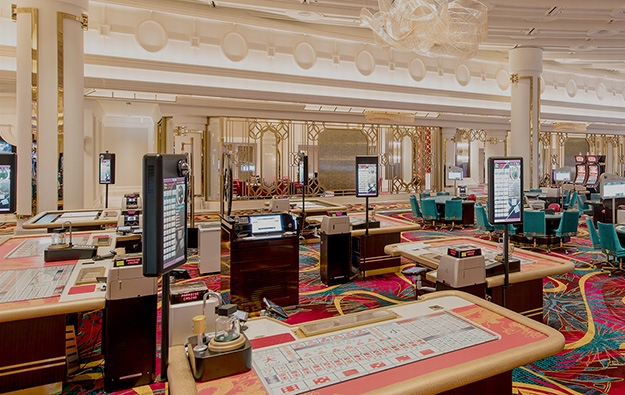
Shinhan mentions as evidence, some “record” figures in May at Paradise City (pictured in a file photo), an Incheon casino resort run by Paradise Co Ltd, and at Jeju Dream Tower, run by Lotte Tour Development Co Ltd, on the holiday island of Jeju.
In May, “Paradise set… all-time records for drop amount and revenue,” said the brokerage, referring to Paradise City.
“This is attributed to the contribution to casino performance following the acquisition” of a nearby Hyatt Regency-branded hotel wing at Incheon, wrote analyst Ji In-hae in a Friday note.
This had resulted in “provision of room services, increased stay duration, etc.,” as well as Paradise Co seeing “benefits from a natural increase in inbound tourism.”
The brokerage added that Paradise Co could benefit from any expansion of South Korea’s visa-free entry scheme for Chinese visitors, and further growth – in the second half of 2026 – in foreign tourist arrivals to the southern port city of Busan, where it has a casino hotel.
The institution also said concerns had eased regarding whether Paradise Co’s relatively strong exposure to the Japanese-customer segment would play badly with its Chinese customer base, due to geopolitical tensions between Japan and China.
While Paradise Co’s Chinese-VIP table drop had fallen, Chinese mass-play and VIP drop from other segments, had risen, said Shinhan.
Lotte Tour for its part, could be helped by Jeju Dream Tower being aimed at serving Chinese visitors, suggested the brokerage.
“Lotte Tour Development, as a business fully-positioned for the Chinese market, aligns best with the inbound-tourism theme, and from a capital expenditure perspective,” its investments were beginning to pay off, suggested Shinhan.
Shinhan noted that among its May operating data, Lotte Tour recorded just over 63,000 casino visits at its Jeju Dream Tower property, “the highest” monthly figure “since its founding”.
Other factors in general tourism uplift to South Korea included the country’s currency the won, being relatively “weak”.
The institution added the Chinese inbound market was “strengthening further due to airlines’ reallocation of routes centred on ‘short-haul’ destinations”.
Separately it was reported last week that South Korea and China have agreed to expand on a mutual basis, weekly air-traffic rights between the two places – the first such easing since 2019, according to South Korean media.