A bidding process on anticipated Thai casino resort licences is likely to take more time than expected, as a lack of preparatory work and missteps regarding communication with the public are hampering the legalisation process.
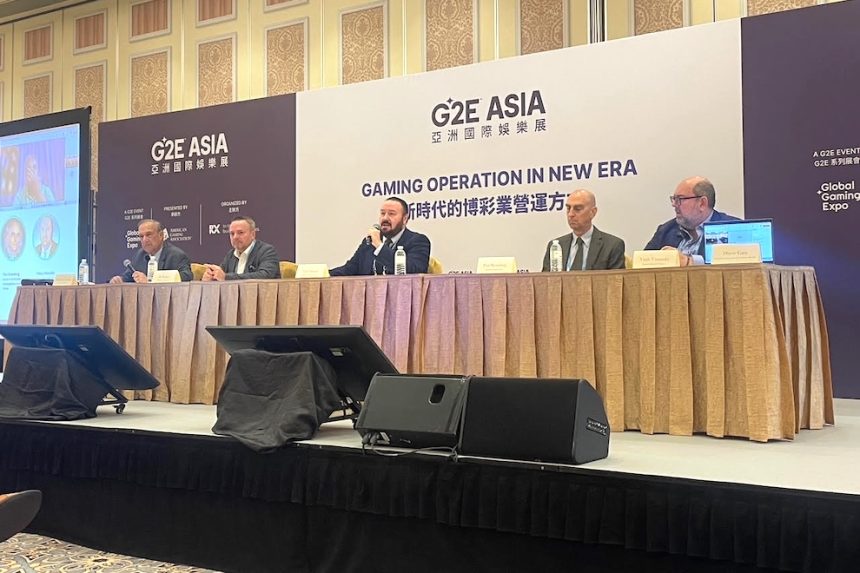
That was the message on Wednesday by participants at a panel session of the conference segment of the Global Gaming Expo (G2E) Asia 2025 casino industry trade show in Macau.
In early April, Thailand’s prime minister, Paetongtarn Shinawatra, asked for a postponement of a reading of the Entertainment Complex Bill in parliament, due to more urgent government business.
The two main coalition parties have insisted there is no split between them regarding the casino legalisation, as public opposition against the policy gained traction ahead of the vote that had been scheduled for April 9.
“The government has made missteps by not probably doing enough research, preparation and communication prior to moving ahead with the political process of legalisation,” said Paul Bromberg, senior vice president for investigations, Asia, at Spectrum Gaming Group.
“They’ve come out and said, for instance, that they’re going to do in-depth feasibility studies, economic impact analysis, etc., once the law has passed,” he stated.
“I think it would’ve been far better for them to have done that first, not only so that they understand better what they should be doing, but also because it would give confidence to the public,” Mr Bromberg told the audience during the panel titled “Trends in Asia Gaming Markets”.
He added: “They should have given a lot more consideration as to the regulation of a casino industry and transparency to the process. Now the government is addressing some of these issues in public, but it remains to be seen what happens next and whether people will actually believe what they’re being told.”
Ed Bowers, president of global development at casino operator MGM Resorts International, observed that each jurisdiction “needs to craft its own laws based on the nuances of what their existing policies are, and the objectives that they specifically want to get out of this” process.
The management of MGM Resorts has said that any investment in Thailand by the MGM brand was likely to come via MGM China Holdings Ltd.
Expectations versus reality
On Wednesday, Mr Bowers stated: “The biggest thing that I would say about any jurisdiction is they need to really arm themselves with knowledge about our industry. That means doing a feasibility study beforehand, so that you kind of know what the expectations need to be.”
According to Vitaly Umansky, senior research analyst for global gaming at Seaport Research Partners, the Thai government “needs to figure out what it is they actually want from this process first, and then lay it out in a way where investors can come in and understand whether or not it’ll be a viable investment”.
Mr Umansky noted: “If the government wants a large-scale industry with job creation, tax revenue, and tourism, the rules have to be such that allow an investor to come in and spend billions of dollars with adequate returns related to the risk of a new market, in order to actually do what the government hopes to have done.”
Niall Murray, founder and chairman at Murray International Group, observed that newer markets “have a better chance” of achieving a more balanced ratio between revenue generated by the non-gaming and gaming segments.
“I think newer markets, if they come from that perspective [deriving more revenue from non-gaming activities], they’ll have a better chance of getting the regulations passed,” he stated.
Dhruv Garg, partner at Indian Governance & Policy Project, was also part of the panel, which was moderated by Fredric Gushin, managing director and chief executive of Spectrum Gaming.
Thailand’s prime minister said in recent comments that MPs from her Pheu Thai Party had been given the job of explaining to the country’s people the “great national benefit” of having tourism resorts with casinos.
Mr Bromberg said the Thai government “has been reasonably aggressive actually over the last couple of weeks” in terms of promoting the casino policy. “The prime minister has come out and tried to explain a little bit more of what an integrated resort is,” he noted.
The consultant added: “There’s been a lack of communication on the government’s part, and they need to have more public debates about the merits, the benefits, and the negative aspects of having a casino industry.”
According to comments to GGRAsia by Akkaraporn Muangsobha, a Thailand-based lawyer familiar with the legalisation process, the first reading of the bill might only be in July at the earliest. He and another commentator think any bidding and licensing phase for Thai casinos might now only happen in 2027.