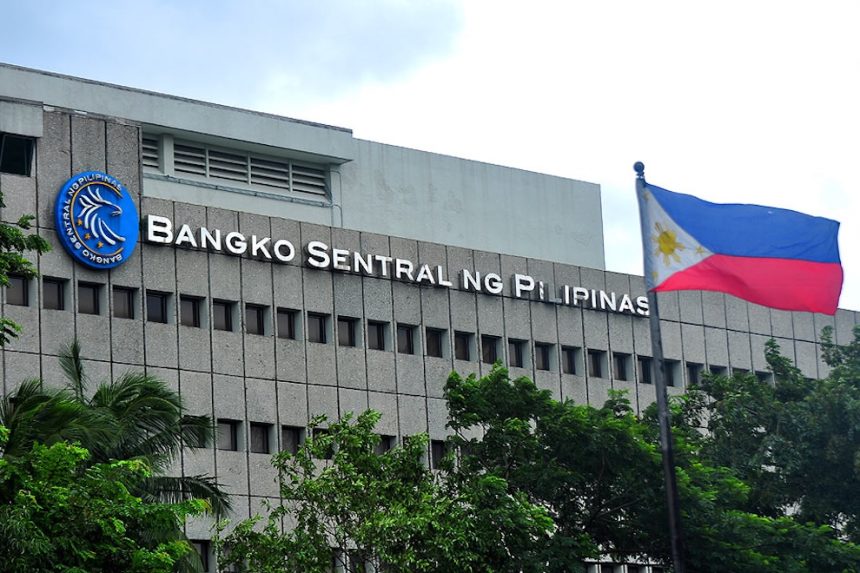
The Bangko Sentral ng Pilipinas (BSP), the Philippines’ central bank, has issued new guidance urging banks and other BSP-supervised financial institutions (BSFIs) to tighten their anti-money laundering and countering the financing of terrorism (AML/CFT) controls for customers engaged in casino junket operations.
The guidance, announced on Tuesday, follows a thematic review by the BSP of selected banks with exposure to junket operators and junket players’ transactions. It aims to help financial institutions identify, assess and mitigate risks associated with the sector, the central bank stated.
Casino junket operators typically arrange gaming-related services for high-value patrons that may include travel, credit and accommodation. According to the BSP, financial transactions linked to such businesses can present higher risks due to their cash-intensive nature, cross-border activity and the use of intermediaries.
“Financial transactions linked to casino junket operators can pose elevated money laundering risks,” BSP deputy governor, Lyn Javier, said in a statement.
“We identify the best practices and red flags BSFIs need to watch out for to be strong partners in our shared goal of curtailing crime and safeguarding the integrity of the financial system,” she added.
The guidance paper recommends that banks strengthen risk management across five areas: board and senior management oversight; money laundering and terrorism financing prevention programmes; client acceptance and identification; ongoing monitoring and suspicious transaction reporting; and self-assessment and staff training.
The BSP also highlighted good practices already adopted by some institutions, including enhanced due diligence for high-risk customers, automated transaction monitoring, client link analysis, independent verification with regulatory agencies, and participation in information-sharing initiatives.
The regulator said its review found that banks generally classify junket operators as high-risk clients, subjecting them to enhanced due diligence during onboarding and transaction monitoring.
The central bank nonetheless identified areas requiring further improvement, including the development of dedicated risk management frameworks for junket clients and stronger staff training on the sector’s risks.
Among the red flags identified by the BSP are unusual patterns of significant cash transactions and cheque deposits without an apparent economic purpose, complex ownership structures, layered transactions, and the use of non-cash instruments to move funds into and out of casinos.
The guidance paper also outlined typologies involving shell companies, shared business addresses and the reclassification of customers initially identified as casino financiers or players into junket operators following enhanced analysis.
The review was informed by an earlier study by the country’s Anti-Money Laundering Council on suspicious transactions associated with casino junkets.
That study identified typologies including transactions inconsistent with declared sources of funds, involvement of junket operators in criminal conspiracies, and the purchase of casino chips using small-denomination currency followed by limited gaming activity.
The study also noted the cash-intensive nature of junket operations, cross-border transactions and limited transparency regarding high-roller clients’ sources of funds as key vulnerabilities.
According to the BSP, effective risk management will require stronger information sharing among supervising authorities, particularly the BSP, the country’s gaming regulator, the Philippine Amusement and Gaming Corp (Pagcor), and financial institutions.
The central bank’s paper noted that banks continue to face challenges because of limited reliable information on registered and delisted junket operators, their beneficial owners and related entities, as well as the use of shell companies and layered transactions that can obscure fund flows.
Pagcor has also instructed casino operators in the country to strengthen their AML/CFT frameworks after completing its latest sector-wide risk assessment.
The gaming regulator’s directive also warned that the industry’s controls must keep pace with risks linked to VIP gaming, junkets, electronic gaming and cross-border transactions.