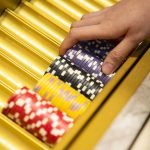
A plan to cap the number of gaming chips in circulation in the Macau market is to ensure industry liquidity in the event depositors seek to withdraw funds en masse, say several industry experts spoken to by GGRAsia.
The idea is part of the draft law to amend the city’s gaming law, which is currently going through Macau’s Legislative Assembly. The city’s incumbent secretary for economy and finance will stipulate the level of the cap, and gaming concessionaires will have to require approval from the local regulator to acquire new chips. The companies would be required to guarantee the value of the chips via either cash or credit.
“When there was a run on the junket operators’ cages…[in 2020] the junkets eventually met all withdrawal demands but in a delayed fashion. The chatter on the ground was that part of the reason for the delay was the result of the [gaming] concessionaires not having sufficient cash on property, to return the junkets’ deposits,” remarked Ben Lee, managing partner of IGamiX Management and Consulting Ltd, to GGRAsia.
The gaming consultant said most Macau casinos up to now, have not kept on hand all the cash deposits they receive in exchange for gaming chips.
A “significant percentage” of such cash deposits are invested with banks “in short term money markets” and liquid assets for “generating incremental returns,” said Mr Lee.
The proposed provision on the gaming chips is “essential” as it involves Macau’s “image and reputation” as a gaming destination, said António Lobo Vilela, a lecturer in gaming law at the University of Macau and former advisor to the local government.
“But, more important than providing that the secretary may impose a maximum limit of gaming chips in circulation, is to require minimum provisions and reserves to be created or established to cover the repayment of the enormous amount of outstanding gaming chips,” suggested Mr Vilela.
Doubts on listing rule
Another proposed provision in the bill says that the firm actually holding the casino concession in Macau or its subsidiaries would only be allowed to have up to 30 percent of its shares listed publicly.
None of the current Macau casino firms listed either in Hong Kong or the United States, directly owns its respective Macau licence. That is done via an affiliate.
Such provision was designed in order to ensure a “more stable relationship” between the concessionaire and Macau, stated a press release from the city’s Executive Council, in commentary on a summary version of the bill published earlier this month.
This provision is not to “hinder” any companies from seeking financing, remarked the current Secretary for Economy and Finance, Lei Wai Nong, to legislators on Monday, when the city’s Legislative Assembly passed the first reading of the bill.
But Mr Vilela and Mr Lee said they didn’t understand the reason for the provision regarding public listing of the shares of the Macau concession holder.
“This article is entirely redundant,” said Mr Vilela. “Did the [bill] drafters consult, for instance, with the Hong Kong Stock Exchange to learn that no Macau incorporated company can be admitted to be listed under the listing rules? Moreover, and as a rule, a gaming company is never listed directly. It uses a holding company up in the corporate tree due to taxation concerns.”
Mr Lee said: “I can’t understand why there would be a need to cap the free float of a subsidiary, whereas if they were to impose a cap on the holding company, that would represent a greater degree of control on who owns or controls the concessions.”
The bill is due to be discussed in detail by the second standing committee of the Legislative Assembly. The committee might make recommendations for revisions and after it has issued a report, the bill returns to the full assembly for its second and final reading.