Macau’s casino gross gaming revenue (GGR) is likely to be negatively affected even during this month, amid the clampdown by the mainland and Macau authorities on unauthorised money exchange in and around the city’s gaming venues, suggested several industry commentators in remarks to GGRAsia.
“Illicit as it is, this money exchange trade is indeed a source for funding the gaming activities here,” said Macau veteran junket boss U Io Hung.
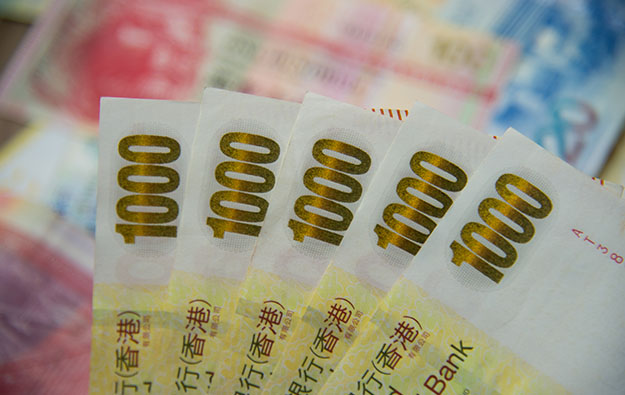
Macau bets are mostly denominated in Hong Kong dollars, and most players are from the Chinese mainland, a jurisdiction that imposes limits on how much mainland currency can be physically transported over the border per trip.
Mass-level players – a larger segment than VIPs – were likely to be the most affected by the enforcement moves, added Hoffman Ma Ho Man, deputy chairman of Hong Kong-listed Success Universe Group Ltd, an investor in the Ponte 16 casino resort near Macau’s Inner Harbour.
“The kind of gaming patrons most impacted” by the clampdown “are not likely to be those of high net worth, or who come frequently to Macau, as those kinds of players usually have their own funding channels other than having to rely on these [illicit money exchange] touts,” stated Mr Ma.
Gaming consultant Ben Lee suggested Beijing’s clampdown could also impact some VIPs and the so-called premium mass segment.
“Most likely affected [are] the VIP/premium [players] as the amounts they gamble are far beyond the limits they are permitted to carry across the border,” he told GGRAsia.
“Some of the grind mass, particularly those who need funds beyond the daily ATM limit, will also be impacted,” remarked Mr Lee, managing partner at IGamiX Management and Consulting Ltd.
Warnings last month
On July 5, China’s Ministry of Public Security held a press meeting to address Macau’s illicit money exchange trade, with officials emphasising the need for tough enforcement.
On June 3 it had been reported by mainland media that such action was being planned, with the authorities mentioning that the money tout trade was also associated with violence, scams, smuggling, and money laundering, that had “seriously affected social stability” in Macau.
Mr Ma told GGRAsia that as in pre-Covid-19 trading in 2019 and earlier, June was typically a quiet month for the Macau casino gambling business. It was worth watching to see if moderation in demand extended into the current month and August amid the tout clampdown.
Chen Shiqu, deputy director at China’s criminal investigation bureau at the Ministry of Public Security, had noted at the July 5 briefing: “In order to sidestep our country’s financial policy on foreign currency, the limits on bringing cash in and outside of borders, and bank card withdrawal limits overseas, these ‘money exchange gangs’ have illegally provided gamblers with a large amount of Hong Kong dollars, in cash.”
Mr Chen also mentioned what he termed underground banking networks on the mainland, including in Zhuhai, the Guangdong province city next door to Macau, which he said were used to capitalise the front-line touts operating in and around Macau’s casinos and hotels. These touts offered inbound patrons Hong Kong dollars in cash, and in the other direction, Chinese yuan in remittance to their domestic bank accounts, at a negotiated exchange rate.
Success Universe’s Mr Ma observed to GGRAsia: “From the perspective of the mainland authorities, they do not want Macau – which now relies on mass gaming business since the downfall of the junket VIP business – to have patrons attempting to use illicit funding channels.”
Consultant Mr Lee stated: “With the casinos themselves offering currency exchange at their cages, one must wonder why there is demand for illegal money changers, unless they are not really changing money.” He said that could mean the touts were “transferring money across the border” on behalf of members of the public.
The gaming consultant added: “We have seen this long-running saga of money laundering activity morph from one form to another to yet another. At the end of the day, they [the touts] facilitate the illegal movement of funds from the mainland to Macau for the purpose of gambling, ergo any clampdown will result in short-term drops in our gaming revenue, until the next [funding] channel pops up.”