Macau casino operator Sands China Ltd is partnering with the city’s flag-carrier airline, Air Macau Co Ltd, to offer what is termed “an exclusive hotel package and a wide range of privileges” to “Singaporean and regional visitors”, to mark what Sands China said was the “inauguration” of the airline’s Macau-Singapore route.
Sands China’s parent, Las Vegas Sands Corp, runs the Marina Bay Sands casino resort in Singapore.
Air Macau had previously announced a service between Macau International Airport and Singapore would start on Thursday (March 23).
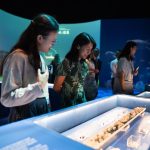
The Macau campaign outlined on Thursday by Sands China encompasses an accommodation offer – running between now and June 30 – for Sands China’s Londoner Macao resort (pictured) on Cotai. Another part of the campaign is that – subject to terms and conditions – people presenting an Air Macau boarding pass can get either discounts or other benefits on “leisure activities and resort-themed souvenirs” across Sands resorts in Macau.
Wilfred Wong Ying Wai, president of Sands China, was cited in a Thursday press release as saying: “This collaboration demonstrates Sands China’s continuing efforts to diversify visitor source markets geared toward tourism and economic revival, and promote Macau as a world centre of tourism and leisure.”
As part of the Macau government’s tender process for new 10-year gaming concessions, bidders were asked to create plans and pledge investment on a number of issues, including bringing in more customers from overseas. Prior to the Covid-19 pandemic, Macau was overwhelmingly a Chinese tourism market, with mainland China and Hong Kong accounting for 89.6 percent of Macau’s 39.4-million visitor arrivals in 2019, according to Macau government data.
March 18 saw nearly 100,000 visitors to Macau – the highest daily tally since the start of the pandemic in early 2020. But in comments at a public event on Thursday, a senior official of the Macao Government Tourism Office said the city’s volume of international visitors was still “relatively low”, due to “transport constraints”.